How to Make Loose Leaf Tea
If you've never made loose leaf tea before, you're in for a treat. It’s an easy process, and the flavor is far superior to bagged tea. Once you get the hang of it, making loose leaf tea can become a rewarding daily ritual. I’m here to guide you through the steps, sharing some tips and tricks from my own experience. By the end, you'll be brewing the perfect cup of loose leaf tea every time.
How Much Loose Leaf Tea to Use per Cup?
When you're brewing loose leaf tea, one of the first things you’ll need to figure out is how much tea to use. The amount of tea you use will directly affect the strength of your brew. Personally, I use one teaspoon of loose leaf tea per 8-ounce cup. This gives me a nice, balanced flavor. If I’m craving something a bit stronger, I might add a little extra—about 1.5 teaspoons.
One of the great things about loose leaf tea is how customizable it is. You can tweak the amount of tea depending on your mood or taste preference. If you’re brewing more than one cup, just multiply the amount accordingly. For instance, if you're making two cups, use two teaspoons of tea.
However, don’t go overboard. If you use too much tea, it can end up tasting bitter or overpowering. Keep it simple and experiment to find your perfect ratio.
What’s the Best Teapot for Loose Leaf Tea?
The right teapot can really elevate your tea-drinking experience. The best teapot for loose leaf tea should give the leaves plenty of room to expand. You don’t want your tea leaves to be cramped, or they won’t release their full flavor.
Personally, I love using a glass teapot. It’s great because you can watch the tea leaves unfurl as they steep. It’s not just about taste—it’s also about the experience. Watching the leaves open up and change the color of the water is a calming part of the ritual. If you prefer something more traditional, a ceramic teapot works well too. It holds the heat, keeping your tea warm for longer.
If you're a fan of convenience, I’d recommend a teapot with an infuser. These teapots have a built-in mesh filter that holds the tea leaves, keeping them separate from the brewed tea. It makes cleanup easy and eliminates the need for a separate strainer. Choose one that suits your personal style—there are so many beautiful options out there.
How to Brew Loose Leaf Tea
Making loose leaf tea doesn’t have to be complicated. Once you have the right tea, teapot, and water temperature, it’s pretty simple. Here’s my step-by-step guide to brewing loose leaf tea:
Step 1: Choose the Right Tea Leaves
Choosing the right tea is the first step in making a perfect cup. There are many types of tea to choose from, and each one has its own unique flavor profile. The main types of tea are green, black, white, and herbal. Here’s a quick breakdown of each:
-
Green Tea: This type of tea is light and refreshing. It has a delicate flavor, and it’s a great choice if you want something that isn’t too strong. Green tea needs to be brewed at a lower temperature (around 175°F or 80°C) to avoid bitterness.
-
Black Tea: Black tea is strong and bold, with a more robust flavor. It’s the perfect pick-me-up for the morning. You can brew black tea at a higher temperature—around 200°F or 93°C.
-
White Tea: White tea is the lightest and most delicate of all the teas. It has a subtle, floral taste. Because of its delicate nature, it should be brewed at a lower temperature (around 175°F or 80°C) to avoid making it too bitter.
-
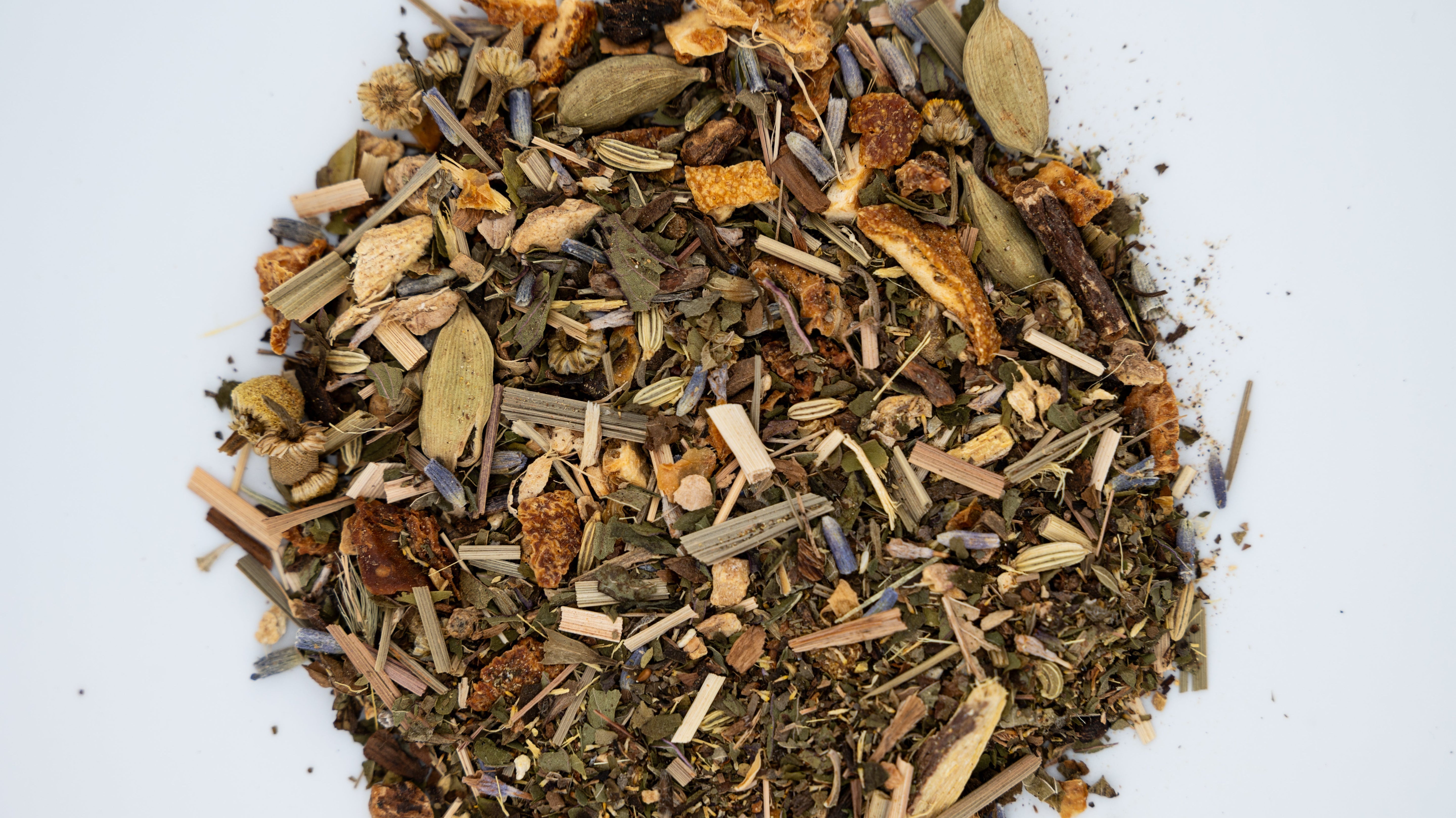
Herbal Tea: Herbal teas are made from a variety of herbs, flowers, and fruits. They’re naturally caffeine-free and come in all sorts of flavors. Herbal teas should be brewed with boiling water at around 212°F (100°C).
Each type of tea has its own brewing requirements, so be sure to follow those for the best results.
Step 2: Decide on Your Ratios
Once you’ve chosen your tea, the next step is deciding how much tea to use. The general rule is one teaspoon of loose leaf tea per 8-ounce cup of water. But this is just a starting point. Depending on your preferences, you might want to adjust this.
If you like your tea strong, feel free to add more tea leaves. For a lighter cup, use less. I usually start with one teaspoon and adjust based on how I’m feeling that day.
For a larger teapot, multiply the amount accordingly. For example, if you're brewing 16 ounces of tea, use two teaspoons. It’s always best to start with a little less and add more if needed.
Step 3: Boil the Water
Water temperature is crucial when brewing loose leaf tea. Using water that’s too hot or too cold can make your tea taste off. Here’s a simple guide to water temperatures for different types of tea:
-
Green Tea: 175°F (80°C)
-
Black Tea: 200°F (93°C)
-
White Tea: 175°F (80°C)
-
Herbal Tea: 212°F (100°C)
If you don’t have a thermometer, no worries! For green tea, just bring the water to a boil and then let it sit for a minute before pouring it over the leaves. For black tea and herbal tea, just bring the water to a full boil.
Using the right temperature helps bring out the flavors without making the tea taste bitter or flat. It’s a simple step, but it makes a big difference.
Step 4: Let It Brew
Once you’ve got your tea leaves and water in the teapot, it’s time to let it brew. Brewing time can vary depending on the type of tea:
-
Green Tea: Steep for 2-3 minutes.
-
Black Tea: Steep for 3-5 minutes.
-
White Tea: Steep for 4-5 minutes.
-
Herbal Tea: Steep for 5-7 minutes.
The longer the tea steeps, the stronger it will be. But don’t leave it in too long, or it might become bitter. I like to taste the tea as it brews and stop when it reaches my preferred strength.
Step 5: Add Milk or Sugar If You Wish
After your tea has steeped to perfection, you can add milk or sugar if you like. Some teas, like black tea, pair really well with milk. A splash of milk can make your tea creamy and smooth. Green tea, on the other hand, is usually best enjoyed without milk, but you can add a bit of honey if you like.
Remember, it’s all about personal preference. If you like your tea sweetened, go ahead and add sugar, honey, or your favorite sweetener. But don’t overdo it—let the natural flavors of the tea shine.
Step 6: Empty and Rinse
Once you’ve finished your tea, it’s time to clean up. Empty your teapot or infuser and rinse it with hot water. This helps keep your teapot clean and ensures that any leftover tea leaves won’t affect the flavor of your next brew. I always make sure to rinse my teapot right away so that any residue doesn’t stick.
Conclusion
Making loose leaf tea is simple, but it’s all about finding what works best for you. With these easy steps, you’ll be brewing a perfect cup of tea every time. It might take a little practice, but once you get the hang of it, you’ll be enjoying fresh, flavorful tea that’s tailored to your taste. So go ahead—experiment with different types of tea and discover your perfect brew! Happy tea-making!