Article: What Tea is Good for High Blood Pressure?
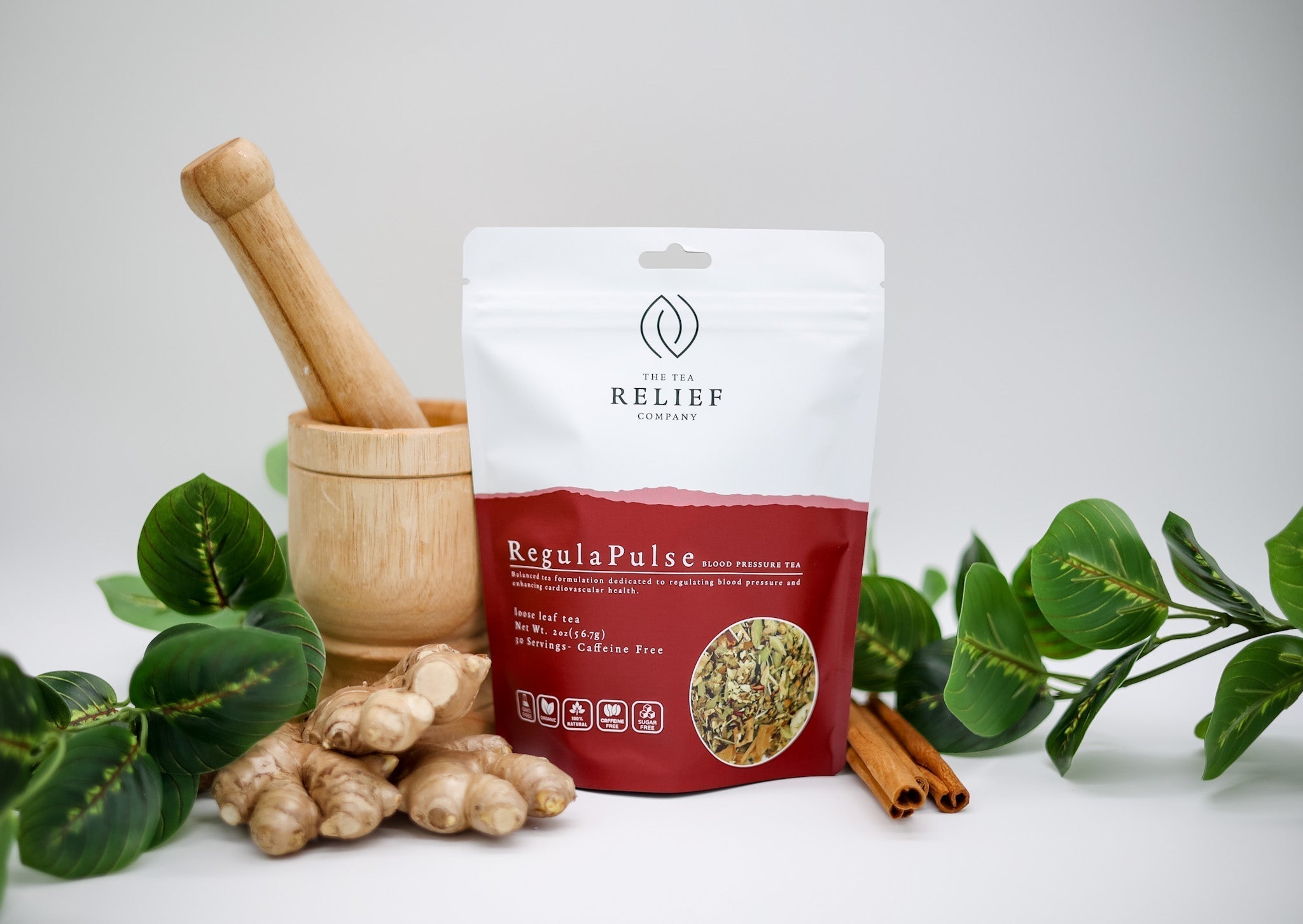
What Tea is Good for High Blood Pressure?
If you're looking to lower your blood pressure naturally, drinking tea might help. Some teas can help relax your blood vessels, improve blood flow, and lower blood pressure. Here’s a guide to the best teas for managing hypertension.
BLACK TEA
Black tea is one of the most commonly consumed teas worldwide. It contains antioxidants known as flavonoids, which can support heart health. Research suggests that drinking black tea regularly may help reduce blood pressure, thanks to these compounds. It’s important to note that black tea contains caffeine, so it’s best to monitor your intake. For those sensitive to caffeine, you may want to consider switching to other tea types later in the day.
GREEN TEA
Green tea is often touted for its health benefits, and for good reason. Rich in antioxidants, especially catechins, green tea has been linked to improved heart health. Studies show that consuming green tea regularly can help lower systolic blood pressure, which is the top number in a blood pressure reading. Green tea is a great option to incorporate into your daily routine for hypertension management.
WHITE TEA
White tea, the least processed of all teas, contains high levels of antioxidants. These antioxidants may contribute to lowering blood pressure and improving blood flow. Because it has less caffeine than black or green tea, it’s a good choice for those who are sensitive to stimulants. Enjoying a cup of white tea can be a simple and calming way to help manage high blood pressure naturally.
OOLONG TEA
Oolong tea, a partially fermented tea, combines the qualities of black and green teas. Some studies suggest that oolong tea can help lower both systolic and diastolic blood pressure. Oolong tea contains polyphenols, which are beneficial compounds that support heart health. Like black and green teas, oolong tea does contain caffeine, so moderation is key.
PU ERH
Pu erh tea is a fermented tea from China, known for its deep, earthy flavor. Research indicates that pu erh may help reduce blood pressure, especially in individuals with high levels of cholesterol. If you're looking for a tea that can help with both high blood pressure and cholesterol, pu erh might be a great addition to your diet.
CHAI
Chai tea is a spiced black tea blend that includes ingredients such as cinnamon, ginger, and cardamom. While the base of chai is black tea, the added spices also bring heart-healthy benefits. Cinnamon, for example, may help reduce blood sugar levels, and cardamom has been shown to support heart health. As with other black teas, chai contains caffeine, so it’s best to enjoy it in moderation.
YERBA MATE
Yerba mate is a traditional South American tea made from the leaves of the Ilex paraguariensis plant. It’s known for its energizing effects due to its caffeine content. However, yerba mate also contains antioxidants, which can support heart health. Some studies suggest that yerba mate can help lower blood pressure, but the caffeine content means it’s best to consume it in moderation.
MATCHA
Matcha, a type of powdered green tea, is known for its high levels of antioxidants and nutrients. Since you consume the entire tea leaf in powdered form, matcha offers a more concentrated source of health benefits than regular green tea. Studies suggest that matcha may help reduce high blood pressure and promote overall cardiovascular health. Due to its caffeine content, matcha should also be consumed in moderation.
FRUIT TEA
Fruit teas, typically caffeine-free, are made from a variety of fruits like hibiscus, berries, and citrus. Hibiscus tea, in particular, is known for its potential to lower blood pressure. Several studies have shown that drinking hibiscus tea regularly can reduce both systolic and diastolic blood pressure. Fruit teas are not only tasty but also provide a healthy, natural option for managing hypertension.
ROOIBOS TEA
Rooibos tea is a caffeine-free herbal tea from South Africa, made from the leaves of the rooibos plant. This tea is rich in antioxidants and has anti-inflammatory properties, which may help reduce blood pressure. Because rooibos is naturally caffeine-free, it’s an excellent choice for people who need to avoid caffeine, especially in the evening.
HERBAL TEA
Herbal teas, made from herbs, flowers, and fruits, are naturally caffeine-free and often associated with various health benefits. Some herbal teas, like chamomile, lavender, and peppermint, have been shown to help lower blood pressure by relaxing the body. Herbal teas are soothing and can be a great choice for reducing stress, which can, in turn, help manage blood pressure.
FLOWERING TEA
Flowering tea is made from dried flowers and is usually steeped in hot water. While it’s mostly known for its visual appeal, some flowering teas, like jasmine, may have mild benefits for heart health. Jasmine tea, in particular, contains antioxidants that may support cardiovascular function. It’s a calming and aromatic tea, making it a lovely addition to your routine.
Teas that May Elevate Blood Pressure
While most teas can help support heart health, there are some teas that may potentially elevate blood pressure. These teas tend to contain higher levels of caffeine, which can cause an increase in heart rate and blood pressure in sensitive individuals. These include certain types of black tea, green tea, and yerba mate.
If you have high blood pressure, it’s important to monitor your caffeine intake, as excessive consumption can lead to elevated blood pressure. If you're unsure about the best tea for your specific condition, it’s always a good idea to consult with your healthcare provider.
Conclusion
Incorporating tea into your daily routine can be a simple and enjoyable way to help manage high blood pressure. With so many types of tea to choose from, you can easily find a variety that suits your taste and health goals. However, moderation is key, especially with caffeine-containing teas.